To streamline my animation’s narrative, I developed a storyboard outlining key scenes. Each scene was chosen because it marked a significant shift in the animation or highlighted a subtle but crucial plot point. The storyboard acts as a visual map, ensuring every scene contributes directly to the story’s progression. This approach helped me keep the focus on the core narrative. By carefully selecting these key moments, I was able to create a more impactful and engaging story.
Ultimately, the storyboard process allowed me to refine my storytelling, resulting in a more effective animation. It helped me ensure every frame served a purpose in advancing the plot and conveying the message.
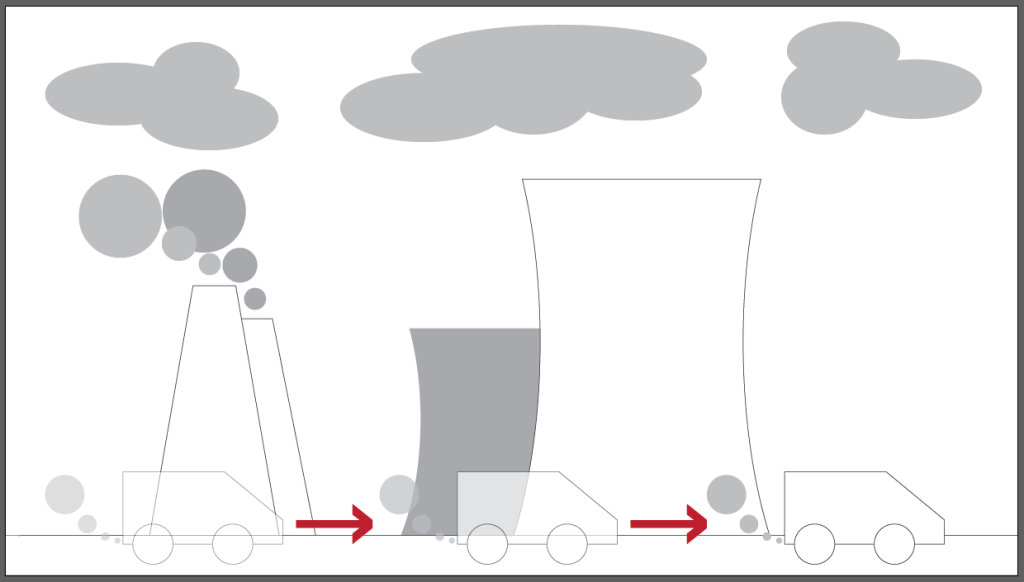
Scene one is the beginning of the animation, setting the stage with a simple visual. The focal point in this scene is the fuel-powered car. This car drives across the screen, moving from left to right. The setting I’m going to create is a deliberate choice, representing the negative impact of using fuel-powered vehicles. The dark and dismal environment serves as a visual metaphor for pollution and environmental damage. The cooling towers and smoke further emphasize the consequences of our current energy choices. The car’s journey across the landscape is going to be my “before” picture, illustrating the world’s condition if we continue down the same path. As later one the benefits of electric cars will be showcased. The contrast between this scene and the end scene will highlight the potential for a cleaner, more sustainable future.
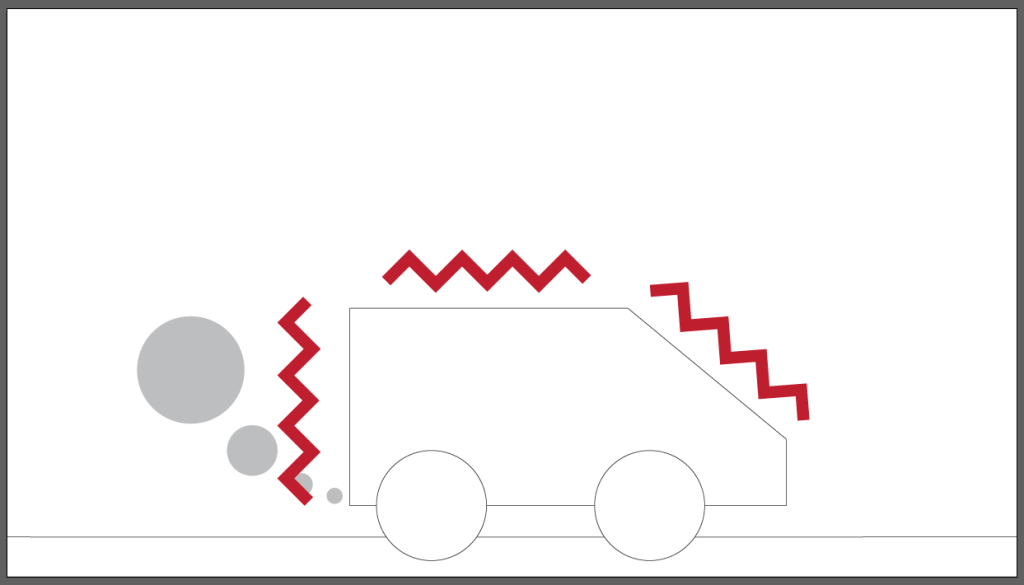
Scene two transitions from the initial wide shot to a close-up of the fuel-powered car, immediately changing the viewer’s focus. In contrast to the first scene, where the car moved across a static background, scene two employs a dynamic background that moves from right to left. This technique is designed to create the illusion of movement, even though the car itself remains still within the frame. To further enhance the illusion of movement, I’m going to add a subtle shake animation to the car. I am doing this to simulate the experience of a vehicle struggling to drive.
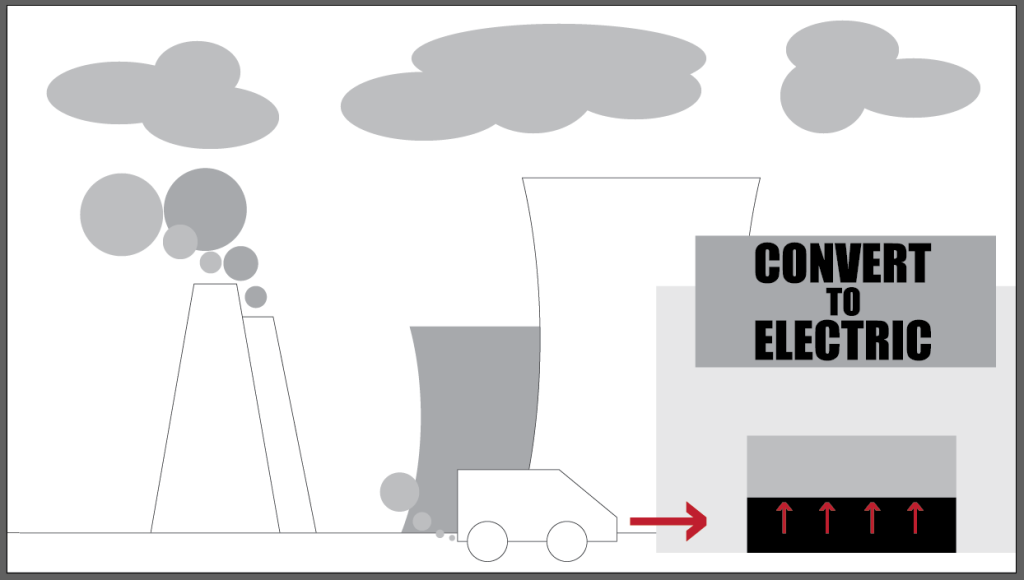
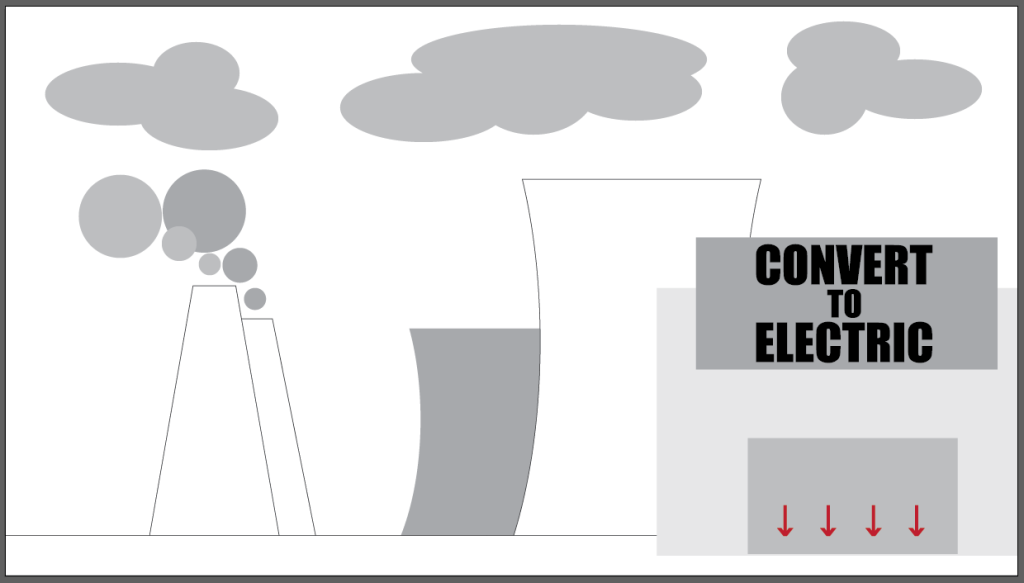
Scene three is very similar to the opening scene, placing the car back to the starting position and moving it across the screen from left to right again. However, I added a garage at the end of this cars journey as the garage door opens and the fuelled power car drives. I added a slight pause at this point to resemble the car getting converted, it wouldn’t flow as effectively if it entered and came straight back out.
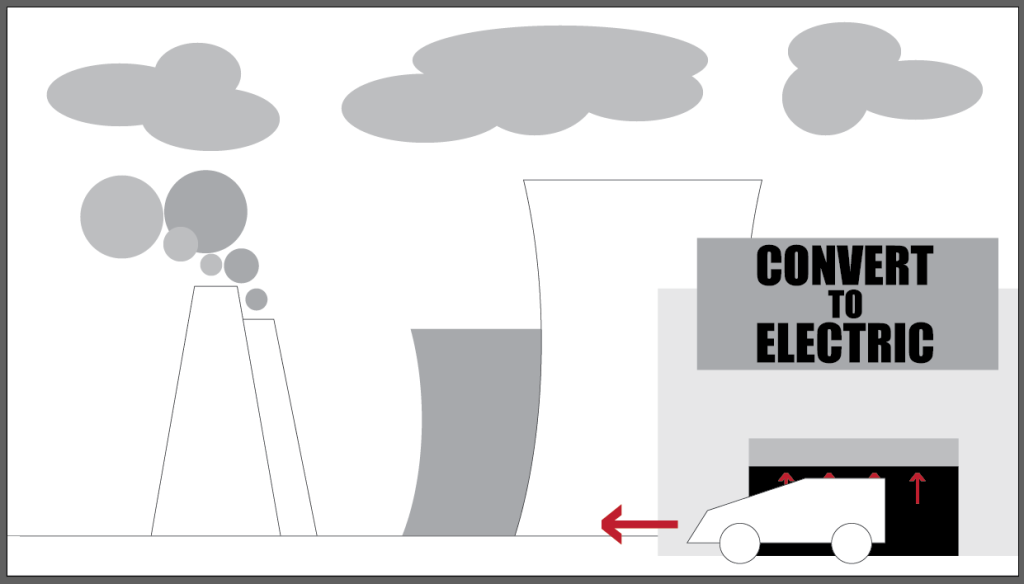
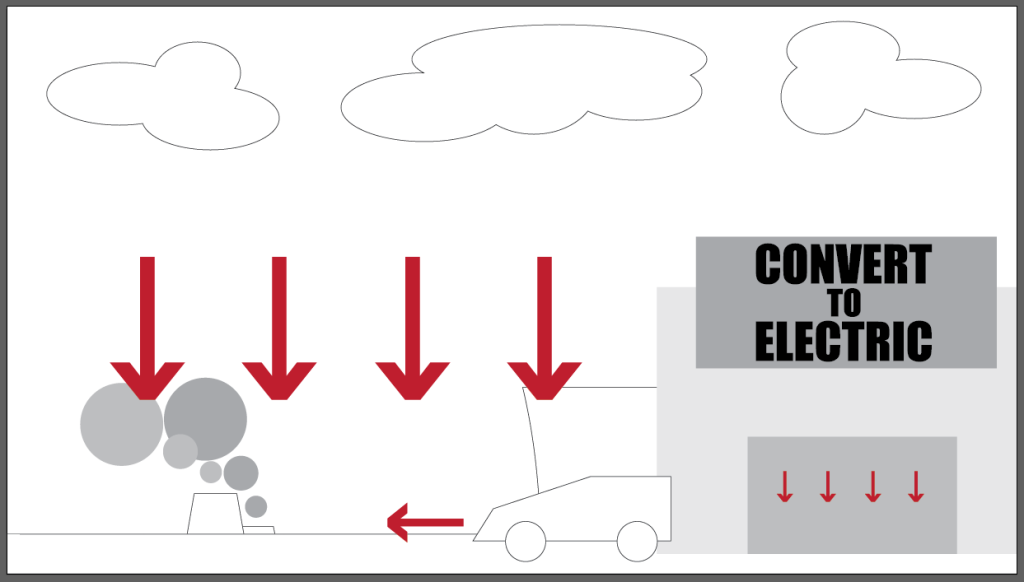
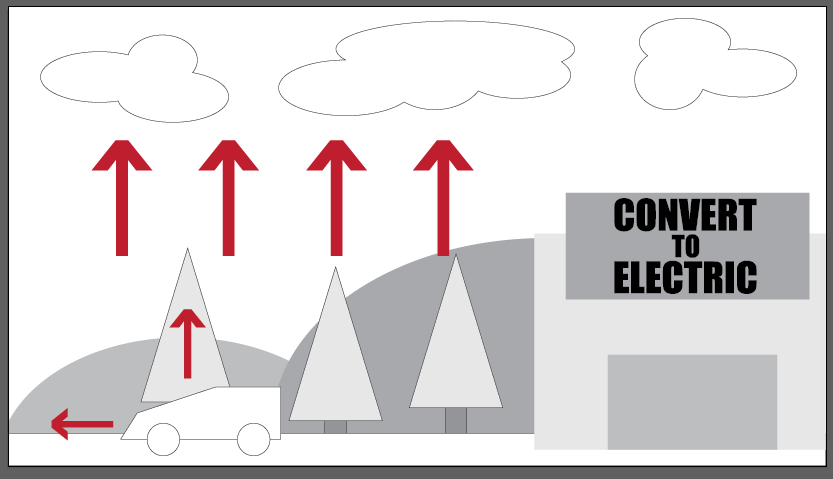
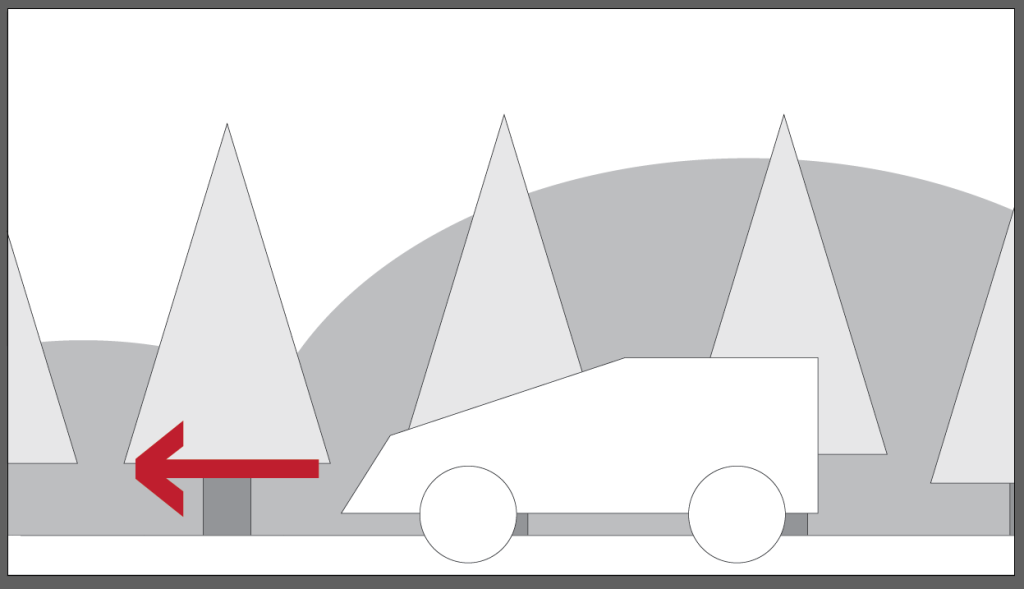
After the cars conversion, I developed a new model specifically for it, transforming it into an electric vehicle. The new model car would then continue on its journey, retracing its path through scenes six to eight. Since my animation revokes about the difference in environmental damaging whilst using fuel cars and making electric cars, as this new electric model drives out of the garage the landscape behind it changes. The clouds turn white, the sky brightens and the industrial air polluting terrain drops down out of sight. And come scene seven green hills rise up likewise do trees as the car passes by out of shot. Like scene two I wanted another close up shot. As my closing scene I have the electric car driving close up (not actually moving due to the background moving instead) to present what the world would look like once cars convert over.
0 Comments